The Benefits of Waterproof Car Seat Covers
Release time:2026-02-28 Click:9
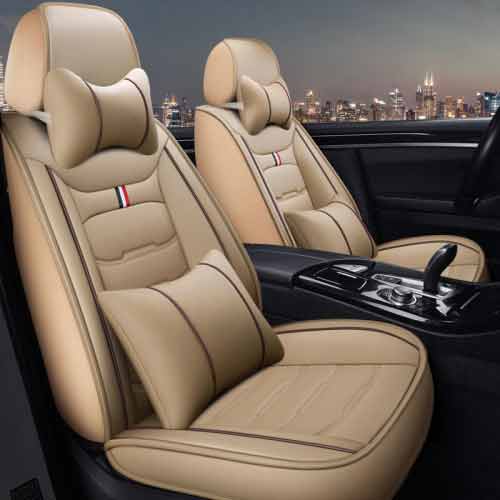
Waterproof car seat covers have become indispensable for vehicle owners seeking to preserve their interior from spills, stains, and daily wear, combining practicality with style. Designed to repel liquids like coffee, soda, and rain, these covers use advanced materials to create a barrier between seats and contaminants. Whether for families with kids, pet owners, or commuters, waterproof car seat covers extend the life of original upholstery while adding a customizable touch to the cabin.
The material science behind waterproof car seat covers drives their effectiveness. Premium options use polyurethane (PU) or polyvinyl chloride (PVC) coatings on polyester or neoprene bases, offering 100% waterproofing without sacrificing flexibility. Breathable variants (with micro-perforations) prevent sweat buildup, ideal for hot climates. For eco-conscious buyers, recycled PET fabric covers reduce waste. Textures range from smooth (easy to wipe) to quilted (added cushioning), with some featuring anti-slip backing to stay in place.
Applications of waterproof car seat covers span diverse lifestyles. Families use them to protect seats from juice spills and muddy shoes, while pet owners appreciate their resistance to fur and claws. Commuters in rainy regions rely on them to shield seats from wet clothes. Ride-sharing drivers install them to maintain a clean interior for passengers. Off-road enthusiasts choose heavy-duty covers to guard against mud and debris. Even classic car owners use them to preserve vintage upholstery.
Advantages of waterproof car seat covers over traditional seat protectors are clear. Unlike fabric covers that absorb liquids, waterproof versions repel spills instantly, requiring only a quick wipe-down. They resist stains from oils, dirt, and ink, unlike leather seats that show marks easily. Installation is tool-free—most stretch over seats and secure with elastic straps or hooks. Removability allows for machine washing, unlike built-in seat protectors. Cost-wise, they are 50–70% cheaper than reupholstering seats.
Choosing the right waterproof car seat cover involves considering fit and function. Universal covers adapt to most cars but may require adjustments, while custom-fit covers (molded to specific models) offer a seamless look. Thickness (2–5 mm) affects comfort and protection—thicker covers add cushioning but may feel bulky. Color options (black, tan, camo) match interior decor, and some include pockets for storage. For heated seats, low-temperature resistant covers prevent damage.
Maintenance of waterproof car seat covers ensures longevity. Spot-clean with a damp cloth for minor spills; machine wash on gentle cycle for heavy soiling. Air-dry to avoid shrinking, and avoid bleach (which degrades coatings). Inspect for tears annually, patching with repair tape if needed. Store in a dry place when not in use. With proper care, waterproof car seat covers last 3–5 years, making them a cost-effective investment in vehicle preservation.
Previous article:Top Benefits of Using Family Vehicles Car Seat Covers
Next article:Full-Set Canvas Car Seat Covers for Complete Interior Protection
Hot products
Mobile: +86 15369215227
Email:metalproducts2022@163.com
Email:1626757181@qq.com