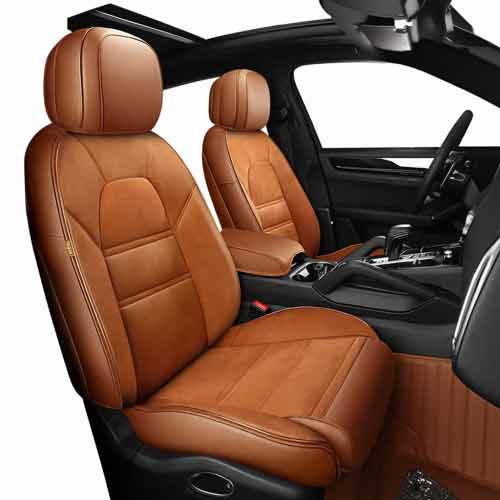
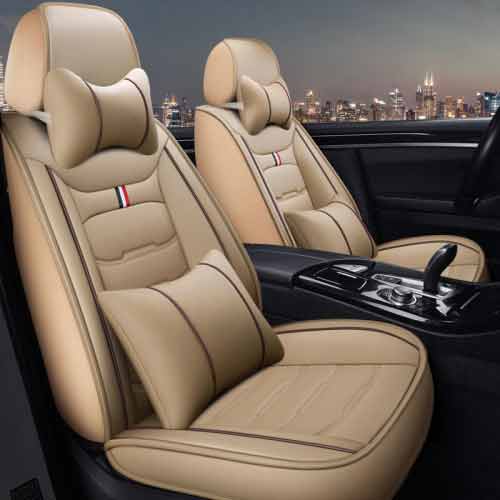
Product details description
Car seat covers shield original upholstery from wear, spills, and UV
damage, but their longevity depends on proper cleaning and maintenance. The
first step is identifying the material—fabric, leather, neoprene, or synthetic
blends—since each requires specific care. Fabric covers often benefit from
vacuuming weekly to remove dirt and crumbs, while spot cleaning with mild
detergent prevents stains from setting. Leather covers need pH-balanced cleaners
to avoid stripping natural oils, preserving suppleness and preventing
cracking.
Regular cleaning schedules prevent buildup of grime and allergens. For
machine-washable fabric covers, use gentle cycles with cold water and mild soap,
then air-dry to prevent shrinkage or deformation. Neoprene covers can be rinsed
with fresh water and mild soap, then hung to dry away from direct sunlight,
which can degrade elasticity. Applying a fabric protector spray creates a
barrier against future spills, making cleanup easier. Conditioners specifically
formulated for leather should be applied every few months to maintain moisture
balance and sheen.
Protection between cleanings preserves appearance and function. Avoid
placing sharp objects on seats that can puncture or tear the covers. Use
sunshades or park in shaded areas to reduce UV exposure, which fades colors and
weakens fibers. For households with pets or children, waterproof covers add an
extra defense against accidents. Prompt attention to spills—blotting rather than
rubbing—minimizes stain penetration and eases later cleaning.
Inspection and repair extend usable life. Periodically check seams and
elastic attachments for looseness or damage, resewing or replacing as needed.
Rotate covers if possible to distribute wear evenly. By tailoring cleaning
methods to material type, establishing routine care, and guarding against
environmental threats, car seat covers can remain protective and attractive for
years.
Previous article:
Car Seat Cover Replacement - Quick Refresh for Worn Seats
Next article:
Why They Matter for Summer Car Seat Covers